
Navigating the journey of grief after losing your cat

Losing your cat is a deeply personal experience. The bond you shared was unique. Your cat’s companionship brought joy and comfort. Their absence leaves a profound sense of loss. You may feel overwhelmed. Grief is a journey you never expected. Each moment can feel heavy. Memories flood your mind. This article will guide you gently through the emotions you face. You will find ways to honor your cat’s memory. You will learn to navigate this path with compassion for yourself. It is important to acknowledge your feelings. Your grief is valid. This journey is yours. Embrace the support you need. Together, we will explore ways to find peace. You are not alone in this.
Understanding pet loss grief
Experiencing the loss of a beloved cat can be one of the most challenging times in a pet owner’s life. The bond with your companion is profound and meaningful. When they pass away, the emotional turmoil can be overwhelming, leaving a void that feels impossible to fill. Understanding pet loss grief is a crucial step in navigating this difficult journey. It’s important to recognize that these emotions are valid and part of the grieving process.
Losing a cat can trigger a wide range of emotions, much like losing a human loved one. Some may feel intense sadness, while others might experience anger or guilt. The emotional impact can be profound because pets often provide unconditional love and companionship. They are part of our daily routines, and their absence can disrupt our sense of normalcy. Many pet owners find themselves revisiting memories and long-standing habits, which can intensify feelings of loss.
The emotional impact of losing a cat
It’s not uncommon to feel isolated in your grief, especially if those around you do not understand the depth of your bond with your pet. The absence of shared understanding can make the grieving process more difficult. It is essential to communicate your feelings to trusted friends or family who can offer support. Remember, grieving is a personal journey, and there is no right or wrong way to feel.
Common reactions to pet loss include denial, anger, bargaining, depression, and acceptance. These stages of grief, often associated with human loss, are also applicable to losing a pet. Denial might manifest as difficulty accepting your cat’s passing, while anger could be directed towards yourself, others, or even the circumstances of the loss. Bargaining often involves dwelling on “what if” scenarios, which can be emotionally exhausting.
Common reactions to pet loss
Depression might cast a shadow over your day-to-day life, making previously enjoyable activities seem burdensome. Acceptance, the final stage, doesn’t mean forgetting your cat but rather acknowledging the loss and finding a way to cherish their memory positively. Each person’s grief journey is unique, and not everyone will experience these stages in the same way or order. Finding support and healing after the loss of a beloved cat is essential for emotional recovery.
Connecting with grief support resources can provide a sense of community and understanding that is crucial in overcoming the isolation often felt during mourning. Pet loss support groups, whether in-person or online, offer a safe space to share stories and emotions with others who have experienced similar losses. Consider reaching out to pet loss hotlines or grief counseling services for professional support. These resources are designed to guide grieving pet owners through the emotional challenges of loss.
Navigating the decision-making process
When a beloved cat passes away, navigating the decisions that follow can be a daunting task. The choices regarding your pet’s aftercare reflect your love and respect for their memory. Assessing your feelings and needs is an important step in the decision-making process. Take time to reflect on what feels most meaningful to you and your family. Some find comfort in a private ceremony or creating a memorial space at home.
Assessing your feelings and needs
Consider discussing your options with family members or friends who shared a bond with your cat. Their insights can provide comfort and help in making these choices. Remember, there is no rush to make these decisions; it’s okay to take the time you need to ensure your choices resonate with your heart. Choosing between burial and cremation involves weighing personal preferences, logistical considerations, and financial factors. Many pet owners find burial to be a comforting option, allowing for a physical place to visit.
- Private ceremony
- Creating a memorial space
- Discussing options with family
- Choosing between burial and cremation
Choosing between burial and cremation
Cremation is another option that offers flexibility and can be tailored to various memorialization preferences. There are different types of cremation available, such as private, individual, or communal cremation. Each option has its own benefits and emotional implications. Some may prefer private cremation to receive their pet’s ashes alone, while others might choose communal cremation as a cost-effective option.
For more guidance, you can explore resources on coping with your cat’s loss and making informed decisions regarding their aftercare. These tasks, while difficult, are necessary in honoring your pet’s memory and finding closure. Understanding these steps can help ease the burden during an emotionally challenging time.
Practical steps after your cat’s passing
After your cat’s passing, there are several practical steps to consider, including arranging for cremation services and preparing for the farewell. Arranging for cremation services can seem overwhelming, but many facilities offer guidance and support throughout the process. Begin by researching local pet crematoriums and their services. Inquire about different cremation methods, such as flame or aquamation, to determine which aligns best with your wishes and values.
Arranging for cremation services
When speaking with service providers, ask about the pet cremation costs, timelines, and whether they offer options like viewing or private farewells. Knowing your options can provide peace of mind and ensure that your beloved companion receives the respectful and dignified service they deserve. Preparing for the farewell involves creating a space and time to honor your cat’s life. This could be a small gathering with family and friends, or a quiet moment alone.
Preparing for the farewell
Consider incorporating elements that reflect your cat’s personality, such as their favorite toys, photos, or music. Many families find comfort in creating a memorial table with personal items and mementos that celebrate the joy their pet brought into their lives. This act of remembrance can be an integral part of the healing process, offering a chance to say goodbye in a meaningful way. Honoring your cat’s memory can be a deeply fulfilling part of the grieving process.
Finding support and healing
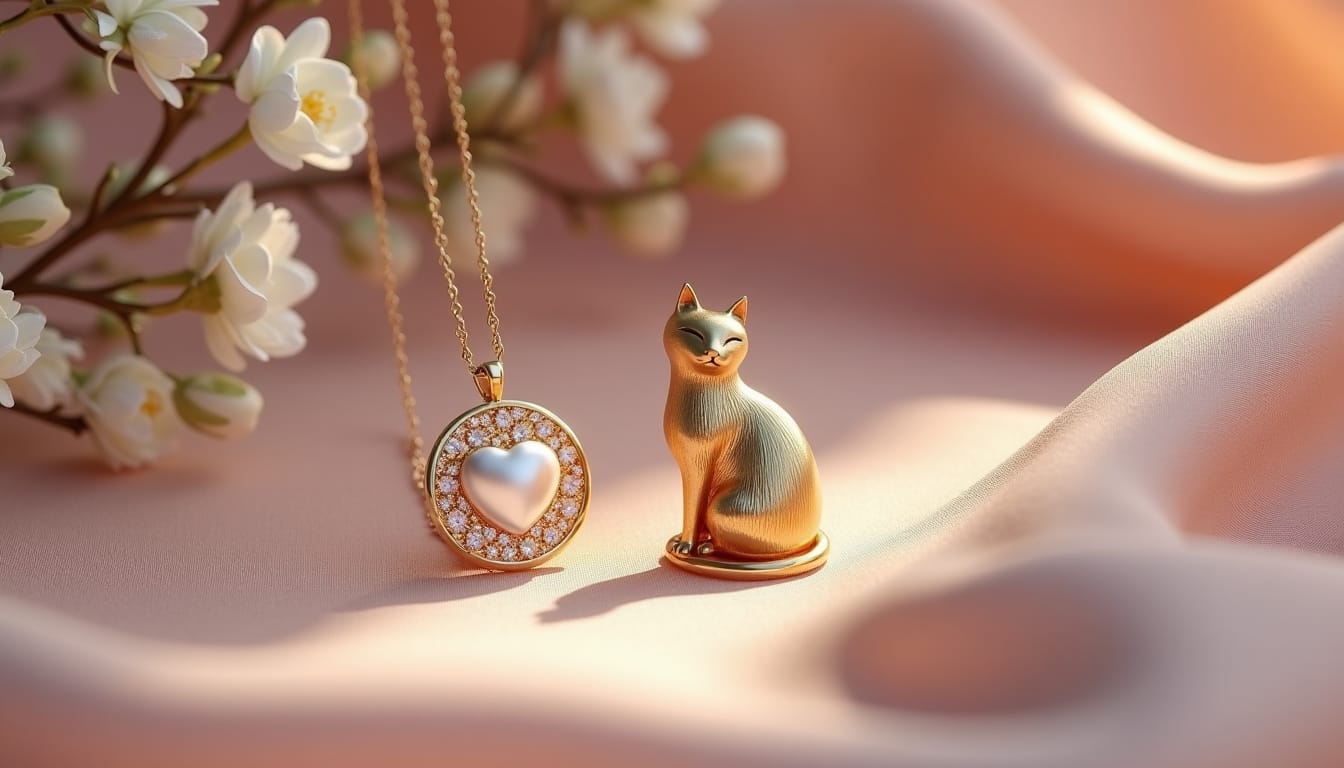
Consider creating a tribute that celebrates their life and the joy they brought into yours. This could be a photo album, a scrapbook, or a personalized memorial item like an urn or jewelry. Some people plant memorial gardens or trees as living tributes, symbolizing the ongoing presence of their pet’s spirit. Others might choose to make a donation to an animal charity or participate in volunteer work in their pet’s name, extending their legacy of love and care for other animals in need.
Honoring your cat’s memory
Moving forward after the loss of a cat involves embracing new beginnings while cherishing the past. Allow yourself to grieve fully, but also give yourself permission to heal and find joy again. This process might include welcoming a new pet into your life when you feel ready, though some may choose other ways to fill the void left by their beloved companion. Remember that your healing journey is personal and should unfold at your own pace.
As time passes, the pain of loss often transforms into a softer, more reflective remembrance of the love shared. Through honoring memories and finding new paths, you can create a space where your cat’s spirit continues to inspire kindness and joy in your life.
Losing a beloved cat brings a unique sorrow. Your pet was a cherished companion, and this loss may feel overwhelming. Acknowledge your grief and allow yourself to mourn. Remember, it’s okay to seek support from friends or professionals. Honor your pet’s memory with personalized rituals or keepsakes to find comfort. Your cherished memories will remain a part of you. Healing takes time, but each step brings you closer to peace. Remember, you are not alone in this journey. Embrace your feelings and cherish the bond you shared. Your beloved companion will always hold a special place in your heart.