
Finding comfort in paw prints: a journey through love and remembrance

Losing a beloved pet can feel like losing a cherished family member. You might find yourself surrounded by memories, each one tinged with love and a touch of sorrow. Your pet shared moments of joy and comfort, leaving behind imprints both physical and emotional. These paw prints symbolize a bond that transcends time and space. It’s okay to feel a deep sense of loss and longing. This journey through love and remembrance can help you honor your pet’s life and the unique connection you shared. Your heart holds the stories, and those memories can offer solace as you navigate the path of healing. Let this guide support you in finding comfort and strength as you remember your pet with dignity and love. Together, we can explore meaningful ways to celebrate their life, ensuring their spirit lives on in your heart.
Understanding the emotional significance of paw prints in snow
Paw prints in the snow immediately evoke emotions, symbolizing the unique bond between humans and their pets. These delicate imprints, as fleeting as they are, capture moments of joy, love, and companionship. They remind us of the warmth our pets have brought into our lives, becoming cherished symbols of the memories shared. In the quiet of winter, each print tells a part of your pet’s story, offering comfort and nostalgia.
Seeing these prints can stir feelings of appreciation for the time spent together and highlight the personality of your pet, whether it’s the playful hops of a rabbit or the graceful steps of a cat. This symbolism can help find solace during times of grief, emphasizing the enduring love shared with your beloved companion.
The process of pet loss and grief
Losing a pet is often compared to losing a family member, and understanding this process is crucial for navigating the emotional landscape that follows. Grieving pet owners might face a range of emotions, from sadness and anger to guilt and confusion. Recognizing these feelings is essential for healing, providing the first step towards finding peace.
The loss of a pet alters daily routines and interactions, leaving a palpable void. This transition, while challenging, opens opportunities for reflection and remembrance, allowing you to treasure the legacy left by your companion. Remember that your feelings are valid and part of a journey toward healing.
Recognizing grief in pet owners
Grief manifests in various ways, and understanding these expressions can aid in coping. Some may experience intense sadness, while others might feel disbelief or relief, especially if your pet was suffering. It’s important to acknowledge these feelings without judgment, as each person’s grieving process is unique.
Grief can also affect physical well-being, impacting appetite, sleep, and energy levels. Recognizing these symptoms can help navigate your emotions more effectively. Seeking support from friends, family, or pet loss resources offers comfort during this difficult time.
Common reactions to pet loss
Reactions to pet loss vary, with common experiences including intense sadness, loneliness, and a sense of emptiness. Many pet owners may also experience guilt, questioning if they did everything possible for their pet. It’s normal to replay the final days in your mind, searching for reassurance.
Feelings of anger or frustration may arise, particularly if the loss was sudden or unexpected. These emotions are natural responses and should be acknowledged as part of the healing process. Expressing these feelings through talking, writing, or creative activities can be constructive.
Practical steps after losing a pet
After the initial shock of losing your pet, practical decisions must be made concerning their remains. This process can feel overwhelming, but understanding the options available can provide guidance. Consider what best honors the memory of your beloved companion, whether through burial or cremation, ensuring that your pet is treated with dignity and care.
Here are common options for handling a pet’s remains:
- Burial: Choose between home burial or a pet cemetery, providing a physical place to visit and remember your pet.
- Cremation: Offers flexibility in memorializing your pet’s ashes, with private, individual, and communal options available.
Making decisions about remains
Deciding what to do with your pet’s remains is deeply personal, involving several considerations. Some families opt for burial, providing a physical place to visit and remember your pet. Others may choose cremation, offering flexibility in how your pet’s ashes are memorialized.
It’s essential to weigh both emotional and logistical aspects, considering what feels right for you and your family. Consulting with family members can also ensure everyone’s feelings and wishes are respected. Take the time needed to make these decisions, bringing peace of mind.
Options for pet cremation
Pet cremation is a popular choice, offering methods tailored to individual preferences. Private cremation ensures your pet’s ashes are returned to you alone, while individual cremation separates ashes after multiple pets are cremated. Communal cremation means ashes are not returned, but may feel appropriate for some families.
Newer methods such as aquamation and green cremation provide environmentally friendly options. Understanding these allows for a choice that aligns with personal values. For those seeking to find comfort through memorialization, selecting the right method is a significant step in your grieving process.
Finding comfort and moving forward
Moving forward after the loss of your pet involves finding ways to remember and celebrate the life shared with your beloved companion. Creating lasting memories can help in this journey, providing tangible ways to honor your pet’s impact on your life. These acts of remembrance not only honor your pet but also assist in coping with the loss, transforming grief into a celebration of their life.
From planting a tree in their memory to crafting a scrapbook of cherished photos, there are many ways to commemorate your pet.
Creating lasting memories
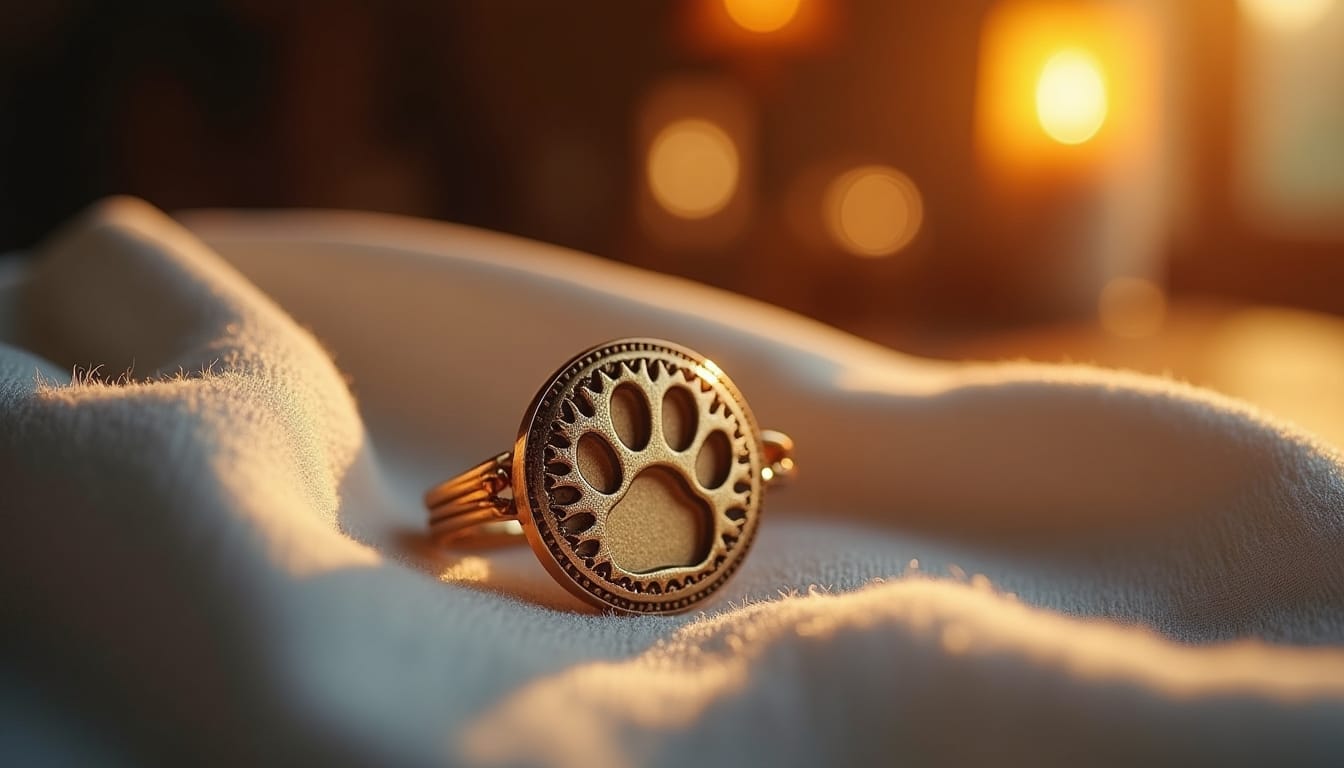
Creating a memorial is a healing process, allowing you to express love and gratitude. Many choose to keep a part of their pet close, whether through personalized memorial jewelry or keepsakes like paw print molds. These items become cherished reminders of the bond shared.
Other meaningful ways to memorialize your pet include commissioning a portrait, writing a tribute, or hosting a small gathering in their honor. Each of these activities provides an opportunity to reflect on the joy and companionship your pet brought into your life, ensuring that their memory continues to bring comfort.
Support resources for grieving pet owners
Grieving the loss of a pet can be a lonely journey, but numerous resources are available to provide support. From online forums and blogs to local support groups, connecting with others who understand the pain of pet loss can be incredibly healing. Sharing stories and experiences often brings comfort and reassurance.
Professional support, such as counseling or pet loss hotlines, offers an additional layer of care for those struggling to cope. These services provide a safe space to explore feelings and find strategies for healing. Remember, seeking help is a sign of strength and a step towards finding peace after such a profound loss.
Paw prints in snow evoke deep emotions, reminding us of the love and loss tied to our cherished companions. These impressions symbolize the unique bond you shared with your pet and the memories you hold dear. They guide you through the grieving process, offering a path to honor your pet’s life. Decisions surrounding pet loss can be challenging, but they reflect your love and commitment. As you navigate this journey, remember that honoring your pet in a meaningful way brings comfort and healing. Your pet’s memory lives on, etched in your heart and in the snow.