
Finding peace after the loss of your beloved pet

Losing a beloved pet leaves an empty space in your heart. You shared countless moments of joy, companionship, and unconditional love. The quiet absence can feel overwhelming. You are not alone in this journey. This article offers guidance to help you find peace after your loss. Together, we will explore ways to honor your pet’s memory and navigate the emotions you may feel. Your grief is valid and deserves compassion and understanding. By taking small steps, you can begin to heal and cherish the happy memories. This transition takes time, and it’s okay to move at your own pace. Let’s discover how to honor your pet’s life and find comfort in the love you shared.
Coping with the grief of losing your pet
Experiencing the loss of your pet can be an emotionally overwhelming journey. Pets often hold a special place in our lives, offering a unique bond filled with unconditional love and companionship. When this bond is broken, it can leave a profound sense of grief that is challenging to navigate. Acknowledging that grieving a pet can be as intense as the loss of a human loved one is crucial. It’s important to recognize these feelings as valid and deserving of acknowledgment. The emotional impact can manifest in various ways, from sadness to feelings of guilt or anger. Understanding and accepting these emotions is the first step in the healing process.
The loss of your pet can disrupt daily routines, creating a void that is deeply felt. This absence can trigger memories of other losses, compounding the grief. Emotional turmoil may affect sleep patterns, appetite, and even physical health. Recognizing these impacts as part of the grieving process can help individuals cope and seek appropriate support. Engaging with coping strategies for grieving pet owners can aid in processing these complex emotions. Taking steps to address these challenges can be a crucial part of healing.
The emotional impact of pet loss
The emotional impact of losing your pet varies greatly from person to person. Some may experience intense sorrow, while others might feel numb or in shock. It’s not uncommon to encounter a mix of emotions, including sadness, relief, and anger. Each individual’s experience is different, shaped by their relationship with their pet and unique circumstances. Pets provide structure to our daily routines, and their absence is deeply felt. This loss can trigger memories of other losses, compounding the grief. Recognizing these impacts can help individuals cope and seek appropriate support.
Many people experience a strong sense of guilt, wondering if they could have done more for their beloved pet. This is a natural reaction, but it is important to remember the love and care that was provided during your pet’s life. Accepting that you did your best can be a crucial step towards healing. Common responses include crying, withdrawal from social activities, or difficulty concentrating. Dwelling on the circumstances of your pet’s death or questioning decisions made about their care are normal reactions to grief and can vary in duration and intensity.
Common grieving responses
Common responses to pet loss include crying, withdrawal from social activities, or difficulty concentrating. Some individuals may find themselves dwelling on the circumstances of their pet’s death or questioning decisions made about their care. These responses are normal reactions to grief and can vary in duration and intensity. Many people experience a strong sense of guilt, wondering if they could have done more for their beloved pet. This is a natural reaction, but it is important to remember the love and care that was provided during your pet’s life. Accepting that you did your best can be a crucial step towards healing.
- Crying: A natural release of emotions
- Social withdrawal: A need for solitude and reflection
- Difficulty concentrating: Affected by emotional turmoil
Practical steps to take after your pet’s passing
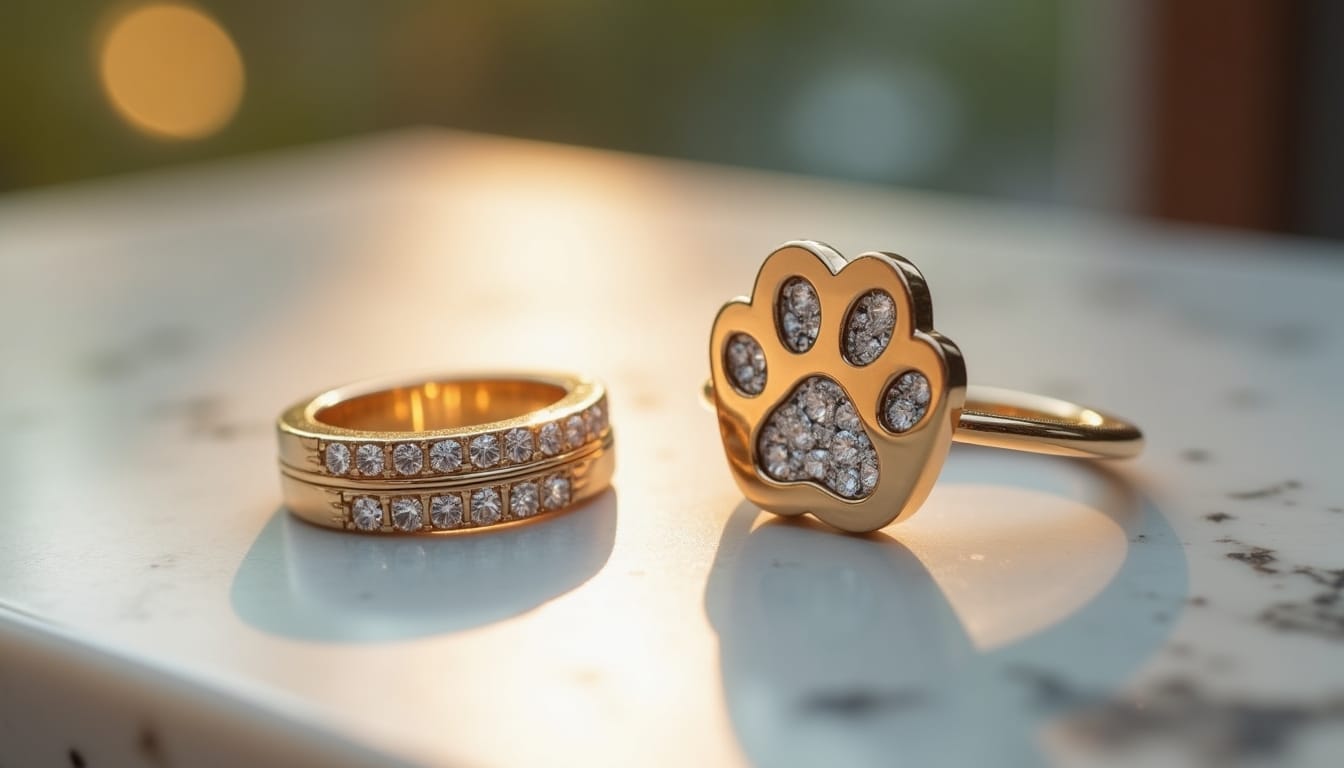
After experiencing the loss of your pet, practical steps can help manage the immediate aftermath. Decisions about your pet’s remains and how best to honor their memory are part of this process. Though these tasks might feel overwhelming during a time of grief, addressing them can aid in finding closure. Approach these decisions with care and take the time needed to make choices that feel right for you and your pet’s memory. Engaging family members or friends in the decision-making process can provide support and ensure that the choices reflect a collective sentiment of love and respect for your pet.
One of the first decisions to make after your pet’s passing is what to do with their remains. This decision is deeply personal and may depend on cultural, religious, or personal beliefs. Whether you choose burial or cremation, it’s crucial to select an option that resonates with your sentiments and offers peace of mind. Some families may choose to keep their pet close by preserving their ashes in a decorative urn, while others may opt for a burial in a pet cemetery or in their own backyard, if permitted.
Choosing between burial and cremation
When it comes to deciding between burial and cremation, understanding the nuances of each option can provide clarity. Burial offers a traditional method, allowing for a specific resting place that family members can visit. It is important to check local regulations regarding pet burial, especially if considering a home burial. Pet cremation is another option, offering flexibility and various pet memorialization options. Cremation methods include private, individual, or communal cremation, each with different levels of personalization and cost. Understanding what to expect during pet cremation helps in making an informed decision that honors your pet’s memory.
Finding a reputable pet cremation service
Choosing a reputable pet cremation service is crucial to ensure that your pet is treated with dignity and respect. Recommendations from veterinarians, friends, or online reviews can guide you in finding a trustworthy provider. It’s important to ask questions about the cremation process, costs, and any additional services offered, such as memorial products or keepsakes. Many pet cremation services offer options like keepsake jewelry, memorial stones, or custom urns to help keep your pet’s memory alive. Exploring these options can provide comfort and a tangible way to hold onto cherished memories. Selecting a service that aligns with your values and needs can greatly assist in the healing process.
Ways to cope with the loss
Coping with the loss of your pet involves both emotional and practical steps. Finding ways to memorialize your pet, seeking support, and connecting with others who understand your grief can all help in navigating this difficult time. These actions can provide solace and help commemorate the bond shared with your beloved companion. The journey through grief is not linear, and it is essential to be patient with yourself. Some days may be harder than others, but finding small ways to honor your pet and keep their memory alive can bring comfort and healing.
Creating a memorial for your pet
Creating a memorial for your pet can serve as a lasting tribute to the love you shared. This can be as simple as planting a tree or flower in your garden or as elaborate as commissioning a custom pet portrait. Memorial stones, photo frames, or paw print kits also provide tangible ways to remember your pet. Many families find solace in organizing a small memorial ceremony, allowing friends and family to gather, share memories, and celebrate the life of their pet. This communal expression of grief can be a powerful way to acknowledge the impact your pet had on your life and the lives of others.
Seeking support from friends and family
Sharing your grief with friends and family can be an invaluable source of support. Those who knew your pet may also be mourning and can provide a shared understanding and comfort. Talking about your pet, sharing stories, and expressing emotions can help in processing your loss. It’s important to communicate your needs to those around you, whether it’s a listening ear, a shoulder to cry on, or simply spending time together. The support of loved ones can be a pillar of strength during this challenging period and remind you that you are not alone in your grief.
Joining pet loss support groups
Pet loss support groups offer a space to connect with others who have experienced similar losses. These groups provide a safe environment to share feelings, offer support, and gain insights into how others are coping. They can be found in person or online, allowing for flexibility in how you choose to participate. Engaging with a support group can be particularly helpful if you feel isolated in your grief or if those around you do not fully understand the depth of your loss. These communities often offer resources for grieving pet owners, including literature, counseling services, and forums for discussion.
Moving forward after loss
As time passes, finding ways to move forward while honoring your pet’s memory becomes an essential part of the healing process. This does not mean forgetting your pet; rather, it’s about finding a new normal while keeping their spirit alive in your heart and actions. Embracing positive memories and creating new traditions can aid in this journey. Allow yourself to grieve and heal at your own pace. Remember, there is no right or wrong way to grieve. Taking the time to reflect on your pet’s life and the joy they brought can provide comfort and inspiration as you navigate this new chapter.
Honoring your pet’s memory
Honoring your pet’s memory can take many forms, from simple daily rituals to more elaborate commemorations. Incorporating elements of your pet’s personality into your home or daily life can keep their spirit present. This could include displaying photos, creating a scrapbook, or maintaining a special place in your garden as a tribute. Consider establishing new traditions, such as donating to an animal charity in your pet’s name or lighting a candle on significant dates. These acts of remembrance can bring peace and ensure that your pet’s legacy continues to touch lives.
Considering the future: when to adopt again
Deciding when or if to adopt another pet is a personal decision that varies for everyone. It is important to first give yourself time to grieve and heal before welcoming a new pet into your life. Reflect on whether you are emotionally ready and able to provide the care and commitment that a new pet deserves. Some individuals find comfort in adopting soon after a loss, while others may prefer to wait. There is no timeline for this decision. When you feel ready, consider the type of pet that best fits your current lifestyle and emotional needs. Adopting a new pet can be a beautiful way to continue the cycle of love and companionship, honoring your past pet by providing a loving home to another in need.
Losing your pet is a deeply emotional experience. You deserve to acknowledge your grief and find comfort in meaningful ways. Cherish the precious memories you hold. Create a tribute that honors your companion’s unique spirit. Seek support from loved ones or professional counselors who understand your pain. Trust that healing takes time and allow yourself that journey. Remember that your pet brought joy and love into your life. Embrace those gifts as you move forward. Your companion’s memory will continue to bring warmth and comfort. You are not alone in this process. Peace and solace await your path.